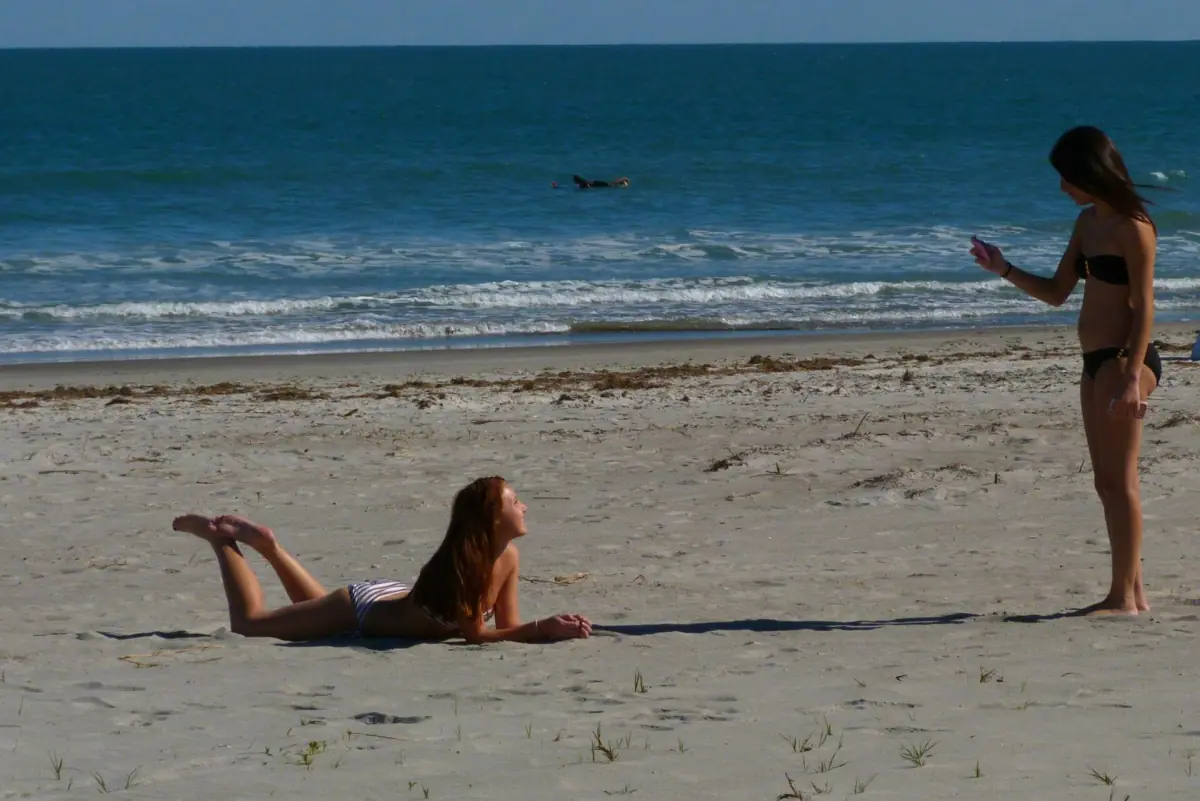
Finding the best time to visit Cocoa Beach for your plans
The best time to visit Cocoa Beach starts with a choice of activity rather than a single month. A trip focused on lower average rainfall follows a different logic from one built around summer bioluminescence. Surfing needs suitable conditions on the day, while a daytime paddle adds access rules and wildlife etiquette to the decision. Choose the experience you most want, then give the rest of your schedule room to adapt.
For a broad climate guide, the Melbourne regional normals for 1991 to 2020 show lower average rainfall from November to April than from June to September. That is an interpretation of the rainfall series, not a promise of sunshine. The weather guide contains the full monthly tables and explains why regional air averages and Port Canaveral water averages should be read separately.

Beach time and surfing
If your priority is time beside the Atlantic, compare your comfort with warmer air and water against your preference for lower average rainfall. The cooler part of the regional climate record can suit a plan with beach walks and other outings, while warmer months may appeal if water activities are the main draw. Neither choice settles the conditions for a particular morning. Leave the decision to swim until you have read the flags and looked at the actual sea.
For surfing, select a lesson or session around your experience and the current conditions. The city asks surfers to assess themselves, consider the flags and respect swimmers. A season label does not tell a beginner that the waves will be suitable. Read the surf lesson guide before choosing instruction, and keep an alternative activity in the day plan if the water is unsuitable.
The Atlantic hurricane season runs from 1 June to 30 November. Follow official weather information when making outdoor plans, including on dates outside that season. If thunder or lightning develops, leave the beach and seek shelter. Flexible bookings and a plan that can move between outdoor and indoor activities are more useful than treating any month as a weather guarantee.
Plan an evening paddle
A guided bioluminescence paddle fits seasonal planning, though the natural light is not guaranteed.
Hand-picked tours, booked through Viator. Prices are indicative starting prices in US dollars (as of October 2026). Tap a tour for live availability and the current price in your currency.

A summer-plankton paddling option
This two-hour guided kayak outing starts at Kiwanis Island Park and includes a kayak, paddle and personal flotation device. The natural light display depends on conditions.
Summer bioluminescence and dark nights
For plankton bioluminescence, focus on summer and the darkness of the night. The regional tourism description links the lagoon display to dinoflagellates and gives overlapping descriptions of its peak and wider season. Use summer as the planning theme rather than drawing a fixed start and finish from those different ranges. Darker nights around the new moon improve the perception of light, while rain and storms can reduce its intensity.
The kayak outing here lasts two hours and starts at Kiwanis Island Park. It includes a professional guide, kayak, paddle and personal flotation device. Arrange your journey to that meeting point as part of the evening. The natural display varies, so choose the outing for guided paddling in the relevant season and keep expectations responsive to conditions. The bioluminescence guide explains the organisms and access considerations in more detail.
Cold-season comb jellies are a different phenomenon from summer plankton. Keep the two separate when deciding what you hope to see. A description of one does not establish the presence or intensity of the other, and a lagoon outing does not promise a glowing Atlantic beach. Base your expectations on the actual activity and current natural conditions rather than a photograph of a dramatic display.
Daytime kayaking and wildlife
A daytime paddle can be the central activity on a visit that does not depend on a night display. Thousand Islands Conservation Area is for daytime use, and its paddling route should not be treated as a finished, fully marked circuit. Use an appropriate route and follow local instructions. A booking for a night outing elsewhere does not change the daytime rule at Thousand Islands.
Manatees and dolphins belong to the lagoon environment; sightings depend on the animals and conditions. Keep distance, avoid feeding or following animals and allow them to move away. If a manatee reacts to your presence, move away yourself. The kayak tour page helps compare daytime options, while wildlife boat outings offer another way to observe with suitable distance.
Beach wildlife and launch-day flexibility
The city's sea turtle season runs from 1 March to 31 October. Leave nests and animals undisturbed, avoid bright lights and flash photography, and keep the route to the sea clear. Remove beach equipment and fill holes after your visit. These responsibilities belong in the evening plan as well as the daytime beach plan, especially when choosing how to return to your accommodation.
If spaceflight is part of the attraction, plan launch viewing as a flexible possibility. Access and viewing depend on the launch and location, and visitor traffic can increase on launch days. Use the launch-viewing guide for location planning. Choose your overall travel dates for activities you can enjoy even if a launch changes, rather than letting an uncertain event determine the whole visit.
Questions about timing
When is average rainfall lower?
The Melbourne regional normals suggest November to April compared with June to September. Individual travel days can differ from that long-term pattern.
Should I choose summer for bioluminescence?
Summer is the relevant focus for plankton displays. Dark nights help with perception, but intensity remains dependent on natural conditions.
Can I choose a month for guaranteed wildlife?
Keep wildlife observation flexible. Observe from a distance and let animals choose their movements rather than planning around a promised encounter.